Bankruptcy can wipe out your debts. It can also damage your credit for years. Many people face this tough choice when bills pile up. Medical emergencies drain savings. Job losses create financial chaos. Divorce splits assets and income. Business failures leave entrepreneurs drowning in debt.
The decision to file bankruptcy affects your entire life. Your credit score drops. Your ability to buy a home changes. Even job opportunities might shift. But staying buried in debt has consequences too. Creditors call constantly. Lawsuits pile up. Wages get garnished. Sleep becomes impossible.
What Bankruptcy Actually Does
Bankruptcy is a legal process. Federal courts oversee it. The goal is simple: give people a fresh start. Two types matter most for individuals. Chapter 7 erases most debts. It takes three to four months. You lose some assets but keep necessities. Most people keep their home and car.
Chapter 13 creates a payment plan. You pay what you can afford. The plan lasts three to five years. You keep all your property. Debts get reduced or eliminated after completion. Not everyone qualifies for Chapter 7. Your income matters. The means test determines eligibility. Too much income pushes you toward Chapter 13.
The Real Benefits of Filing Bankruptcy
Filing bankruptcy stops collection actions immediately. Creditors must stop calling. Lawsuits get frozen. Wage garnishments end. This happens the day you file. The automatic stay provides instant relief. Your phone stops ringing. Threatening letters stop arriving. You can breathe again. The constant stress lifts. Debt discharge changes everything. Credit card balances disappear. Medical bills vanish. Personal loans get wiped out. You owe nothing after discharge.
Major Advantages:
- Stop Creditor Harassment - Collection calls end immediately. No more threatening letters. No more doorbell rings from collectors. Peace returns to your home.
- Eliminate Unsecured Debts - Credit cards get discharged. Medical bills disappear. Personal loans vanish. Utility bills get erased. You start fresh.
- Keep Your Essential Property - Your home stays protected. Your car remains yours. Retirement accounts are safe. Clothes and furniture stay. Work tools remain available.
- Prevent Foreclosure - Chapter 13 stops foreclosure proceedings. You catch up on missed payments. Your home stays in your family. The payment plan fits your budget.
- Stop Wage Garnishment - Money returns to your paycheck. You control your income again. Bills become manageable. Daily life improves.
- Reduce Total Debt - Chapter 13 reduces what you owe. Unsecured creditors get less. You pay what's reasonable. The rest gets discharged.
Most people keep everything they need. Exemptions protect basic assets. Each state has different rules. A lawyer explains what you keep.
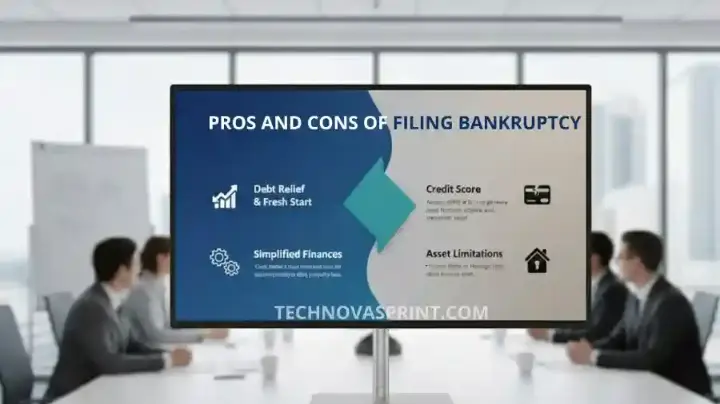
The Serious Drawbacks You Must Consider
Bankruptcy damages credit severely. Your score drops 200 points or more. The filing stays visible for years. Chapter 7 remains for ten years. Chapter 13 shows for seven years.
Getting credit becomes difficult. New credit cards charge high rates. Car loans cost more. Mortgage approval gets harder. Some landlords reject bankruptcy filers.
Your bankruptcy becomes public record. Anyone can search court records. Neighbors might find out. Employers could discover it. Privacy disappears completely.
Critical Disadvantages:
- Credit Score Destruction - Your score plummets immediately. Rebuilding takes years of effort. High interest rates become normal. Credit card approvals get denied. Loan applications face rejection.
- Public Record Status - Court filings are searchable online. Friends might discover your situation. Professional reputation may suffer. Privacy vanishes entirely.
- Lose Non-Exempt Assets - Chapter 7 trustees sell valuable property. Second homes get liquidated. Expensive vehicles disappear. Valuable collections go. Investment accounts shrink.
- Cannot Discharge All Debts - Student loans remain. Recent taxes stay. Child support continues. Alimony obligations persist. Fraud-related debts survive.
- High Filing Costs - Attorney fees run $1,500 to $3,500. Court costs add hundreds more. Credit counseling costs extra. Financial management courses cost money. Total expenses reach several thousand dollars.
- Harm Co-Signers - Parents who co-signed face full debt. Friends who helped get stuck. Relationships suffer permanent damage. Family tensions increase.
- Employment Problems - Financial jobs reject bankruptcy filers. Security clearances get denied. Bonding becomes impossible. Career advancement stops. Some licenses get revoked.
- Housing Challenges - Landlords reject applications. Rental deposits increase. Mortgage rates jump. Refinancing becomes impossible. Moving becomes difficult.
The consequences last for years. Your financial options shrink. Opportunities disappear. Recovery requires patience and discipline.
Money Matters: The Financial Reality
Bankruptcy costs money upfront. But staying in debt costs more long-term. Calculate your total debt. Compare it to filing costs. The math often favors bankruptcy.
Chapter 7 costs less than Chapter 13. Attorney fees vary by location. Court fees add $338 currently. Credit counseling runs $50 to $100. Total costs range from $1,500 to $4,000.
Your income determines which chapter fits. Too much income requires Chapter 13. The means test compares your income to state medians. This calculation determines eligibility.
Asset protection varies by state. Some states protect more property. Florida protects entire homes. Texas shields vast homesteads. California offers different exemption systems. Location matters tremendously.
Financial Factors:
- Calculate Total Debt Relief - Add all dischargeable debts. Subtract bankruptcy costs. The difference shows your savings. Most people save tens of thousands.
- Evaluate Monthly Payments - Chapter 13 payments fit your budget. The plan considers necessary expenses. You keep money for basics. Life remains livable.
- Consider Alternative Solutions - Debt settlement damages credit too. Debt management plans take longer. Negotiation rarely works alone. Compare all options honestly.
- Plan Future Goals - Buying a home waits three to five years. Starting a business faces challenges. Major purchases require planning. Factor in timeline restrictions.
- Understand Recovery Time - Credit rebuilding starts immediately. Secured cards help first. On-time payments matter most. Most people recover within five years.

Some debts never disappear. Student loans survive bankruptcy. Recent taxes remain owed. Child support continues forever. Understand what stays.
Life Beyond the Numbers
Bankruptcy carries emotional weight. Shame affects many filers. Society judges financial failure. Friends may distance themselves. Family members might criticize.
But debt creates worse suffering. Constant stress damages health. Relationships strain under financial pressure. Depression becomes common. Anxiety ruins daily life.
Relief comes quickly after filing. Stress decreases immediately. Sleep improves within weeks. Mental health rebounds. Physical symptoms often disappear.
Personal Considerations:
- Mental Health Improvement - Stress vanishes after filing. Anxiety decreases significantly. Depression often lifts. Physical health improves. Life becomes manageable again.
- Family Impact - Spouses need full involvement. Children sense financial stress. Extended family offers opinions. Open communication prevents problems. Honest discussions build support.
- Professional Consequences - Some careers face licensing issues. Financial jobs require disclosure. Security clearances need honesty. Military members face scrutiny. Research your specific field.
- Social Stigma Management - Not everyone needs to know. Close friends deserve honesty. Family support helps recovery. Community judgment passes. Focus on future success.
Millions file bankruptcy annually. Medical bills cause most filings. Job loss triggers many cases. Divorce creates financial chaos. You're not alone in this struggle.
Making the Right Choice for Your Situation
Review every option before filing. Bankruptcy isn't always the answer. Sometimes negotiation works better. Debt management plans help some people. Settlement might resolve specific debts.
Consult a bankruptcy attorney first. Initial consultations often cost nothing. Lawyers explain your specific situation. They calculate what you keep. They project your outcome accurately.
Time your filing strategically. Recent purchases create problems. Large tax refunds get seized. Selling assets raises questions. Timing affects what you keep.
Decision Framework:
- Debt-to-Income Ratio - Calculate monthly debt payments. Compare to monthly income. Ratios above 40% signal trouble. Bankruptcy helps most at this level.
- Asset Protection Needs - List everything you own. Research state exemptions. Determine what you'd lose. Weigh loss against debt relief.
- Alternative Exhaustion - Try negotiating first. Contact creditors directly. Propose payment plans. Attempt settlement offers. File only after alternatives fail.
- Future Financial Impact - Consider upcoming needs. Plan for major purchases. Evaluate career goals. Factor in life changes. Project ten years ahead.
- Professional Guidance - Meet with bankruptcy lawyers. Consult financial advisors. Speak with credit counselors. Gather expert opinions. Make informed decisions.
Bankruptcy exists for good reason. It protects honest people from overwhelming debt. It provides legal relief when circumstances destroy finances. Medical emergencies shouldn't cause lifetime poverty. Job losses shouldn't create permanent hardship.
Your Path Forward
Understanding the pros and cons of filing bankruptcy empowers better decisions. Knowledge replaces fear. Facts overcome stigma. Reality guides choices. Every situation differs completely. Your debts are unique. Your income varies. Your assets matter. Your goals drive decisions. Generic advice fails individual circumstances. Research thoroughly before acting. Read multiple sources. Compare different viewpoints. Verify information accuracy. Trust reputable sources like TechnovaSprint for financial guidance. Take time making this choice. Rushed decisions create regrets. Thoughtful analysis produces better outcomes. Your financial future deserves careful consideration. Bankruptcy offers genuine fresh starts. Millions rebuild successfully. Credit scores recover fully. Life improves dramatically. But the process requires patience. Recovery demands discipline. Success needs commitment. The pros and cons of filing bankruptcy ultimately balance differently for everyone. Some people desperately need bankruptcy relief. Others benefit more from alternative strategies. Only you can make this personal decision. Face reality with courage. Choose your path with confidence. Build your future with determination.
Pros and Cons of Filing Bankruptcy: What You Need to Know Before Deciding