Operational efficiency is the foundation of sustainable success in modern organizations. As organizations strive to deliver more with less, adopting advanced asset management strategies has become an essential driver of productivity and long-term competitiveness. By leveraging modern approaches, companies can boost asset utilization, minimize downtime, and achieve substantial savings laying the groundwork for a resilient operation. For those seeking tailored solutions, this https://radiangen.com/services/asset-management/ provides an overview of how advanced strategies can be implemented. Manual interventions or reactive maintenance schedules no longer constrain asset management.
Technological progress has brought powerful tools such as predictive analytics and IoT-driven monitoring within reach, enabling organizations to manage asset health and performance proactively. This transformation empowers companies to ensure their critical equipment operates at peak performance while unlocking new avenues for value creation. Whether in manufacturing, utilities, or services, robust asset management methodologies streamline maintenance routines, align resources, and improve transparency across the board.
This strategic focus ultimately makes teams more agile and responsive to change, even in dynamic market environments. Companies that successfully evolve their asset management practices position themselves to deliver operational excellence, reach sustainability targets, and comply with increasingly stringent regulations. By understanding the principles and emerging trends, businesses can harness innovation to optimize their asset lifecycle and future-proof their operations.
Understanding Asset Management
Asset management is a systematic approach that optimizes every stage of the asset lifecycle from acquisition and operation to maintenance and disposal. At its core, it emphasizes transparent asset monitoring, rigorous performance tracking, and efficient maintenance scheduling to maximize return on investment. Organizations that master asset management can ensure assets are always ready for productive use and avoid costly disruptions.
The Role of Technology in Asset Management
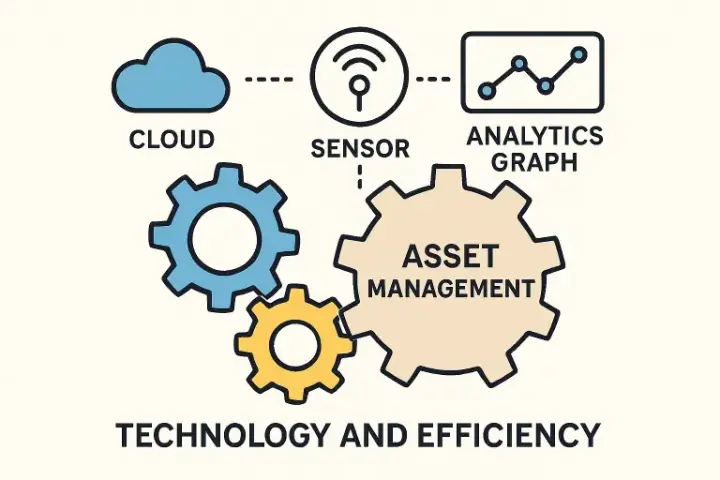
Digital innovation has fundamentally reshaped asset management, introducing an era of data-driven decision-making. Artificial Intelligence (AI) and the Internet of Things (IoT) now enable businesses to gather real-time data from connected sensors, providing unprecedented insights into the condition and usage of assets. For example, predictive maintenance systems analyze historical and sensor data to forecast equipment failures, allowing organizations to intervene before issues escalate. This not only reduces unplanned downtime but also extends asset longevity and controls costs.
Benefits of Effective Asset Management
● Increased Operational Efficiency: Automation and proactive oversight streamline operations, driving greater consistency and faster service delivery.
● Cost Savings: Preventive approaches reduce the need for expensive emergency interventions and reduce total ownership costs.
● Improved Compliance: Automated data collection and consistent maintenance ensure organizations remain aligned with industry and government regulations.
● Enhanced Decision-Making: Accessible, real-time asset data empowers leaders to make agile, strategic decisions about resource deployment and capital investment.
Implementing Advanced Asset Management Strategies
1. Comprehensive Asset Inventory: Map all assets and record their status, lifecycle stage, and historical performance data.
2. Technology Integration: Deploy AI-driven analytics, mobile platforms, and IoT sensors for real-time monitoring and predictive alerts.
3. Preventive Maintenance Planning: Base schedules on actual asset condition data, shifting focus from break-fix to proactive care.
4. Workforce Training: Upskill personnel to understand and utilize advanced tools and follow standardized procedures for optimal results.
5. Continuous Monitoring and Feedback: Regularly assess the effectiveness of strategies and refine processes to drive continuous improvement.
Challenges and Solutions in Asset Management
● Data Overload: With an ever-increasing volume of sensor and performance data, organizations can struggle with information management. Implementing automated analytics reduces manual burden and surfaces actionable insights efficiently.
● Integration Issues: Merging new asset management technologies with legacy systems may introduce compatibility hurdles. Choosing modular, scalable platforms and engaging with experienced vendors can ease this process.
● Resource Constraints: Tight budgets and staffing can impede the adoption of advanced strategies. Begin with critical assets and implement scalable initiatives to demonstrate value and justify expanded investment.
Case Studies of Successful Asset Management
● FIS Asset Servicing Management Suite: By integrating corporate actions, proxy voting, and tax reclaim into a single seamless solution, FIS enabled financial institutions to automate routine workflows and eliminate manual bottlenecks.
● SAP Intelligent Asset Management: Leveraging AI and IoT, SAP’s suite empowers clients across sectors to digitize maintenance, reduce environmental impact, and boost operational gains.
Future Trends in Asset Management
● AI and Machine Learning: Continued adoption will further automate asset monitoring and decision-making for maintenance.
● IoT Expansion: Sensors are becoming standard across asset classes, making real-time insight and automation routine.
● Sustainability Focus: Environmental performance metrics and circular-economy principles are increasingly driving asset-management planning.
● Cloud-Based Solutions: Migration to cloud infrastructure will simplify scaling, boost collaboration, and centralize data.
Conclusion
Advanced asset management strategies offer a powerful means of achieving operational excellence, resilience, and cost-effectiveness in today’s evolving business landscape. By integrating smart technology, prioritizing proactive maintenance, and fostering a culture of continual improvement, organizations can optimize asset utilization, enhance compliance, and ensure long-term sustainability even in the most competitive sectors.
Enhancing Operational Efficiency Through Advanced Asset Management Strategies