Champion trees in Lewis Center Ohio are the largest recorded specimens of their species in Delaware County. These trees have lived 200 to 400+ years. They grew in forests before development changed the landscape. Ohio's state forestry program tracks and measures these trees scientifically.
A tree qualifies as a champion when it meets three criteria. Height is measured in feet. Circumference is measured four and a half feet above ground. Crown spread is the widest branch-to-branch distance. All three measurements combine into a single score.
The Ohio Native Tree Society maintains detailed records. They verify each measurement using certified arborists. Trees must be living and accessible for documentation. Dead or dying specimens are removed from the registry.
Lewis Center sits in central Ohio's transition forest zone. This zone supports oak, maple, and hickory species. The soil conditions here favor deep roots and longevity. Native American settlement and early pioneers preserved many large trees. Some specimens date back to pre-settlement times.
Notable Champion Tree Species Found Locally
White oak dominates Lewis Center's champion tree inventory. These trees reach 100+ feet tall. Their circumference often exceeds 15 feet. White oaks produce acorns that feed wildlife for centuries. Some local specimens are over 300 years old.
Red oak ranks second in frequency among champions. They grow faster than white oaks. Their wood is harder and more valuable commercially. Red oaks can reach 120 feet in ideal conditions. Fall color turns deep crimson in October.
Sugar maple champions produce maple syrup commercially. Delware County has a small syrup industry. Tapping doesn't harm mature trees. Sugar maples live 300+ years regularly. Their bark darkens dramatically as they age.
Shagbark hickory champions display distinctive peeling bark. The nuts feed squirrels and native wildlife. Hickory wood burns hotter than other hardwoods. Some local specimens exceed 100 feet tall.
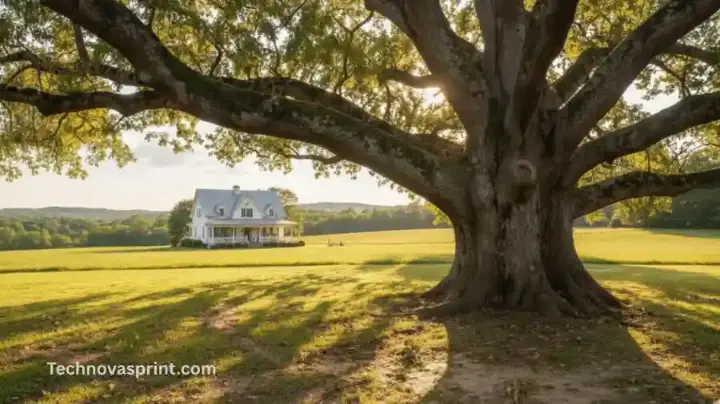
American beech trees grow in shaded valleys. They rarely grow as tall as oaks. Their smooth gray bark makes them distinctive. Beech trees fruit every 2-3 years. Nuts are small but nutritious for wildlife.
Measuring and Documenting Lewis Center Ohio Champion Trees
Certified arborists follow specific protocols for tree measurement. They use clinometers to measure height accurately. This tool measures angles from ground level to treetop. Circumference is measured with a fabric tape. The measurement happens 4.5 feet above ground level.
Crown spread requires two measurements. One measurement runs north to south. Another runs east to west. Arborists average these two numbers. Irregularly shaped canopies can make this challenging.
The American Forests Big Tree Register uses a formula. The formula adds height plus circumference plus crown spread divided by four. This creates a comparable score across species. A 100-point white oak may score differently than a 100-point red oak.
Documentation includes photographs and GPS coordinates. Digital records allow remote monitoring. Historical records show if trees have grown or declined. Multi-year tracking reveals growth patterns. Some champions grow noticeably each decade.
Verification prevents false claims and inflated measurements. Multiple arborists often confirm measurements independently. Professional standards ensure accuracy. The Ohio Native Tree Society publishes verified lists. Public access to records builds community trust.
Where to Find Lewis Center Ohio Champion Trees
Highbanks Metro Parks preserves the largest collection. This 571-acre park sits in Columbus. Multiple trails connect various champion specimens. The park's beech-maple forest shows natural restoration. Old-growth characteristics appear throughout the property.
Westerville Parks Department manages additional champions. The Westerville Trail System includes several specimens. Some trees grow on private residential property. Public access requires owner permission for private land. The city maintains a tree inventory map online.
Olentangy River Scenic Trail passes multiple champions. The trail runs 12 miles through central Ohio. Several centuries-old oaks line the riverside. Hemlock groves provide evergreen beauty. This free public access trail welcomes visitors year-round.
Community College properties host additional specimens. Some educational institutions preserve old-growth sections. Campus beautification initiatives protect veteran trees. Students study arboriculture using these living laboratories. Research plots monitor long-term tree health.
Private landowners actively protect champions. Property deed restrictions prevent future removal. Conservation easements legally protect trees. Some homeowners restore native understory plants. Stewardship of private champions benefits the entire ecosystem.
Environmental Value Lewis Center Ohio Champion Trees Provide
A single mature oak sequesters 21 pounds of carbon annually. Larger specimens capture more carbon. Over 300 years, one oak removes 6,000+ pounds of CO2 from air. This directly addresses climate change impacts. Healthy forests provide measurable climate benefits.
Rainfall interception reduces stormwater runoff significantly. Leaves catch water before it hits ground. This reduces flooding and erosion downstream. Roots filter water naturally. Groundwater recharge increases with each rain event.
Champion tree canopies cool surrounding air by 8-10 degrees. This reduces urban heat island effect. Neighborhoods with tree cover require less air conditioning. Energy savings reach 20-30% in well-treed areas. Reduced energy demand lowers utility costs.
Oxygen production supports human respiration directly. A mature tree produces oxygen for two people annually. Wildlife depends on this oxygen output. Improved air quality reduces respiratory disease. Clean air provides measurable health benefits.
Wildlife habitat value cannot be overstated. Oak trees support 500+ insect species. These insects feed birds and small mammals. Cavities in dead wood shelter raccoons and owls. Each champion tree becomes a complete ecosystem.
How Lewis Center Communities Protect These Trees
Zoning ordinances in Lewis Center prevent unnecessary removal. Trees over certain size thresholds require permits. Developers must justify removal or propose alternatives. Mitigation requirements mandate tree planting elsewhere. Fines discourage cutting protected trees.
Tree preservation funds support at-risk specimens. Communities allocate budget for arboricultural care. Proper pruning prevents disease and structural failure. Support cables stabilize weakened branches safely. Regular maintenance extends lifespan significantly.
Education programs teach homeowners about tree stewardship. Master Gardener programs offer free consultation. Community workshops cover identification and care. School programs engage youth in forest conservation. Environmental literacy builds future advocates.
Nonprofit partnerships amplify conservation efforts. The Ohio Native Tree Society provides expertise. Local conservation groups coordinate restoration projects. Volunteers remove invasive species near champions. Citizen science programs document tree conditions.
Property restrictions through conservation easements ensure permanence. Legal documents bind future owners to protection. Easement violations result in enforced remedies. These restrictions survive property sales. Permanent protection transcends individual landowners.
Visiting Lewis Center Ohio Champion Trees Responsibly
Trail etiquette protects soil and root systems. Staying on marked paths prevents soil compaction. Compacted soil reduces water and nutrient availability. Root damage weakens tree structure permanently. Proper trail use ensures tree longevity.
Seasonal visits reveal different tree characteristics. Spring shows new leaf emergence and flowering. Summer provides cooling shade for rest. Fall displays brilliant foliage colors. Winter reveals intricate branching architecture.
Photography captures tree grandeur without causing harm. Wide-angle lenses show full height perspective. Macro photography reveals bark texture and detail. Citizen science photos contribute to documentation. Social media sharing builds public awareness.
Guided tours led by arborists provide expertise. Expert knowledge deepens appreciation and understanding. Tour groups learn about species identification. Visitors understand measurement and documentation methods. Professional guidance prevents accidental damage.
Respecting private property is absolutely essential. Permission from landowners is non-negotiable. Trespassing damages community relationships. Private property signs indicate restricted access. Most owners welcome respectful visits and inquiry.
Future Protection and Succession Planning
Younger trees must receive protection now. Future champions are growing today unrecognized. Removing saplings eliminates successor generations. Thinning competing vegetation accelerates growth. Protecting young trees ensures continuous legacy.
Climate change adaptation requires tree diversity. Monoculture forests face extinction risk. Mixed-species forests show greater resilience. Drought-tolerant species gain importance. Planting programs should reflect climate projections.
Research initiatives advance arboricultural science. Universities study champion tree genetics. Growth pattern studies reveal optimal conditions. Disease resistance research identifies hardy specimens. Applied research directly benefits local trees.
Community stewardship creates accountability. Volunteer monitoring documents changes yearly. Neighborhood tree watches report problems early. Collective care distributes responsibility widely. Community engagement ensures sustained protection.
Long-term funding mechanisms require permanent solutions. Endowments support perpetual care. Municipal budgets must include tree maintenance. Grant programs provide additional resources. Diverse funding prevents single-source dependence.
Conclusion
Lewis Center Ohio champion trees represent living history. They provide measurable environmental and health benefits. Scientific documentation ensures accurate information. Community protection guarantees their future. These giants deserve recognition and stewardship. Visiting these trees builds personal connection. Supporting protection efforts secures their legacy. Lewis Center's champion trees benefit everyone.
Lewis Center Ohio Champion Trees Guide