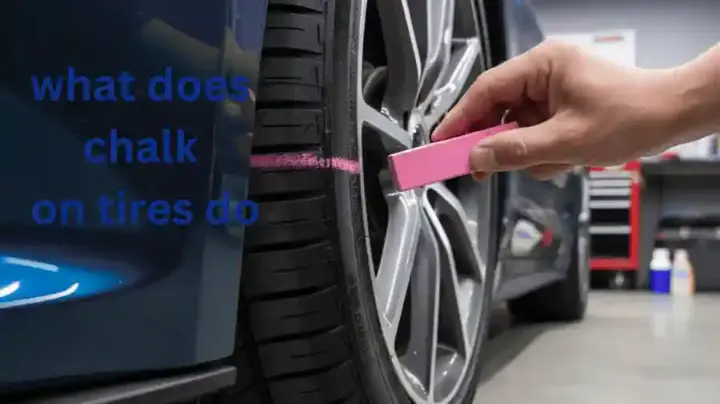
Chalk marks on tires track how long vehicles stay parked in time-restricted zones. Parking officers draw a line or mark on your tire's sidewall, creating a reference point. When they return after the posted time limit, they check if the mark moved. If it's in the same spot, your car hasn't moved, and you get a ticket. This method has monitored street parking for decades, though recent court rulings question its legality.
What Does Chalk on Tires Do in City Parking Zones
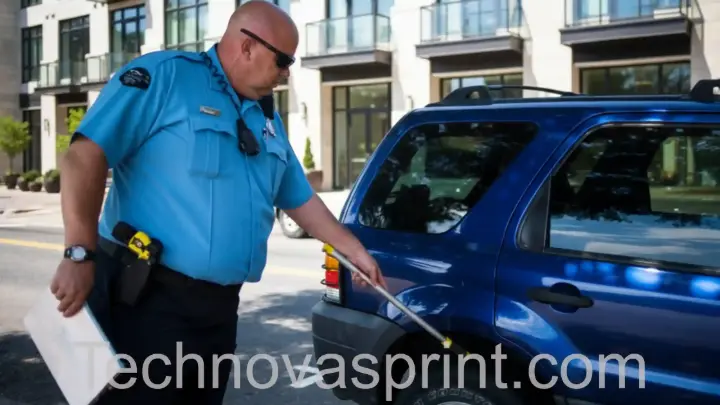
Parking enforcement officers mark tires to monitor parking duration without expensive technology. The chalk creates a timestamp that reveals time limit violations during follow-up patrols. Officers place marks at specific positions on the tire sidewall. On their return, they check if the vehicle moved by observing whether the chalk mark rotated to a different position.
This system manages parking turnover in busy commercial districts where short-term parking keeps spaces available for customers and residents. Officers patrol designated streets, mark tires, and return after time limits expire to identify violators.
How tire chalking benefits parking management:
- Tracks parking duration across multiple streets without digital infrastructure
- Costs minimal compared to installing meters or camera systems
- Allows officers to monitor dozens of vehicles per hour efficiently
- Provides visual proof of parking duration for enforcement purposes
The Step-by-Step Process of Tire Marking
Officers carry specialized chalk sticks in bright colors for visibility. During patrols, they mark tires of vehicles in time-restricted zones at a specific angle, typically pointing toward the curb. After the parking time limit expires, officers return to inspect marked vehicles. If your tire rotated even slightly, the mark shifts position, proving you moved your car. No movement means a violation occurred.
The enforcement sequence works like this:
- Officer marks tire sidewall at a consistent angle during initial patrol
- Time noted through timestamped photographs or patrol logs
- Return visit occurs after posted time limit expires
- Vehicles with stationary chalk marks receive parking citations
Legal Battles Over Tire Chalking Practices
The Sixth Circuit Court of Appeals ruled in 2019 that tire chalking violates the Fourth Amendment's protection against unreasonable searches. The court determined that physically marking private property to gather information constitutes a search requiring a warrant. This decision applies only to Michigan, Kentucky, Ohio, and Tennessee. Most cities outside these states continue chalking tires because the decision doesn't bind them.
Legal issues surrounding the practice:
- Fourth Amendment protections against searches without warrants
- Whether tire marking constitutes trespass on private property
- Varying enforcement across different federal court jurisdictions
- Alternative enforcement methods facing constitutional challenges
Modern Technology Replacing Traditional Chalk Methods
Cities now deploy license plate recognition cameras that photograph plates automatically, logging exact times vehicles enter and exit parking spaces. Software compares timestamps against parking limits, flagging violations without physical contact. Mobile parking apps let drivers pay through smartphones, eliminating monitoring needs. Smart parking meters communicate with central databases, tracking payment status at TechNova Sprint and similar technology platforms demonstrate how digital solutions transform urban management.
Technology-based alternatives include:
- License plate recognition systems capturing timestamps without touching vehicles
- Smartphone apps where drivers self-report parking sessions
- Internet-connected parking meters sending real-time occupancy data
- Street sensors detecting vehicle presence through magnetic technology
- Patrol vehicle-mounted cameras scanning entire blocks in seconds
Protecting Yourself From Parking Violations
Finding chalk on your tire means enforcement already clocked your parking time. Moving your vehicle a few feet shifts the chalk mark's position, resetting the monitoring period. Check posted signs carefully before parking. Time limits vary by street, time of day, and day of week. Set smartphone reminders for 10 minutes before your limit expires.
Practical steps to avoid citations:
- Set phone alarms before your parking time expires
- Check all four tires for chalk marks if unsure when enforcement occurred
- Move your vehicle to a different block rather than pulling forward slightly
- Download your city's parking app for real-time limit tracking
- Photograph parking signs showing time limits when you park
- Contest tickets immediately if you have evidence proving the violation incorrect
How Parking Time Limits Serve Communities
Time-restricted parking ensures customer turnover for retail businesses. Without enforcement, commuters park free on commercial streets while customers circle blocks searching for spaces. Residential permit zones protect neighborhood parking for residents. Time limits in these zones allow visitor parking while preventing all-day commuter storage.
Why cities enforce parking time limits:
- Commercial districts need customer turnover to support local businesses
- Residents deserve access to parking near their homes
- Public safety requires fire lanes and emergency access remain clear
- Transit hubs need short-term parking without becoming commuter lots
- Delivery zones must stay available for commercial vehicles
The Future of Parking Enforcement Methods
Court challenges push cities toward contactless monitoring systems. Digital photography replaces physical tire marking in jurisdictions where constitutional questions arise. Camera-based enforcement raises privacy concerns about government surveillance and data retention. Hybrid systems combine traditional patrols with modern technology. Officers use handheld devices to scan license plates, checking databases for previous violations. Cities experiment with different approaches, balancing constitutional requirements, privacy concerns, and effective parking management.
Emerging trends in parking enforcement:
- Artificial intelligence analyzing parking patterns to optimize enforcement routes
- Privacy-protecting systems that auto-delete data after parking sessions end
- Community-based reporting apps where residents flag parking violators
- Dynamic pricing adjusting parking costs based on real-time demand
Conclusion
Understanding what does chalk on tires do helps drivers avoid parking tickets and navigate city parking regulations effectively. This simple marking system tracks parking duration in time-limited zones, though legal challenges continue questioning its constitutionality. Whether your city uses traditional chalk or modern digital systems, knowing local parking enforcement methods protects you from violations. Always check posted time limits, set reminders, and move your vehicle before limits expire to ensure compliance.
What Does Chalk on Tires Do