A cracked tooth brings pain and worry. You want relief fast. Natural methods can help manage symptoms and protect your tooth. This guide shows you practical steps to care for a cracked tooth at home. You'll learn which remedies work and when to see a dentist.
What Causes Tooth Cracks?
Teeth crack for many reasons. Biting hard foods damages enamel. Grinding teeth at night wears down protective layers. Accidents and falls create sudden breaks. Temperature changes weaken tooth structure over time.
Your teeth face daily stress. Chewing ice seems harmless but causes micro-fractures. Opening packages with your teeth applies dangerous force. Sports injuries happen without warning. Age naturally weakens enamel. Previous dental work can create weak spots.
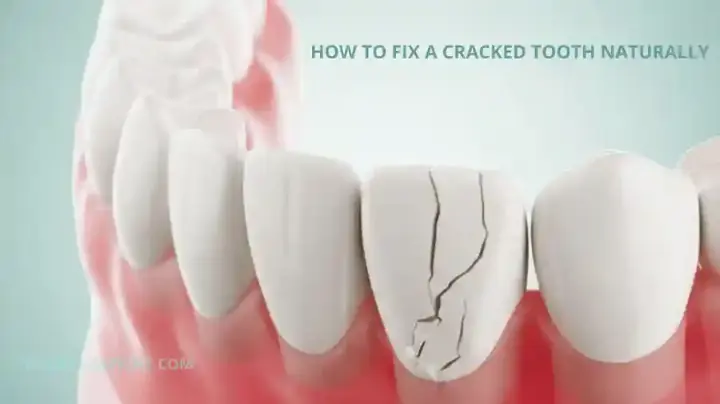
Small cracks start as hairline fractures. You might not notice them at first. Pain develops as the crack deepens. Bacteria enter through cracks and cause infection. Catching problems early prevents serious damage.
Common causes include:
- Chewing hard candy or ice cubes
- Grinding teeth during sleep
- Large old fillings that weaken teeth
- Sudden temperature changes in mouth
- Facial injuries from accidents
- Age-related enamel wear after 50
- Using teeth as tools to open things
Salt Water Rinse for Immediate Relief
Salt water works as your first line of defense. This simple remedy reduces bacteria and eases pain. Mix one teaspoon of salt in warm water. Swish it around your mouth for 30 seconds. Spit it out and repeat three times daily.
Salt creates an environment where bacteria struggle to survive. It draws out infection and reduces swelling in gums. The warm water soothes nerve endings around the crack. This combination provides quick comfort without side effects.
Use this method after every meal. Food particles get trapped in cracks easily. Rinsing removes debris before bacteria multiply. Make this your daily habit for ongoing protection.
How to use salt water correctly:
- Use warm water, not hot or cold
- Dissolve salt completely before rinsing
- Swish gently around the affected tooth
- Continue for at least 30 seconds
- Do this after meals and before bed
- Never swallow the salt water mixture
- Repeat up to 6 times per day if needed
Clove Oil for Natural Pain Relief
Clove oil contains eugenol, a natural numbing agent. Dentists have used this compound for decades. It blocks pain signals and fights bacteria simultaneously. Apply it directly to your cracked tooth for fast relief.
Buy pure clove oil from health stores. Dilute two drops in a carrier oil like coconut oil. Soak a cotton ball in the mixture. Place it gently on the affected area. Hold it there for 10 minutes. The numbness starts within minutes.
This remedy works better than many over-the-counter options. Eugenol provides powerful antimicrobial effects. It prevents infection while managing pain. Use it whenever discomfort strikes.
Application steps:
- Mix 2 drops clove oil with 1 teaspoon coconut oil
- Never apply undiluted clove oil directly
- Use a clean cotton ball each time
- Press gently against the cracked area
- Keep in place for 5-10 minutes
- Reapply every 2-3 hours as needed
- Stop if burning sensation occurs
Strengthen Teeth Through Better Nutrition
Your diet directly affects tooth strength. Certain foods rebuild enamel naturally. Others provide minerals that support tooth structure. Eating right helps your body repair minor damage.
Calcium forms the foundation of strong teeth. Your body needs it constantly for maintenance. Vitamin D helps absorb calcium effectively. Together they strengthen weakened areas around cracks. Phosphorus works with calcium to rebuild enamel.
Skip sugary foods that feed harmful bacteria. Avoid acidic drinks that erode enamel. Choose whole foods rich in minerals. Your teeth will respond within weeks. For more health tips, visit Technovasprint.
Foods that heal teeth:
- Hard cheese increases calcium absorption quickly
- Plain yogurt provides probiotics and calcium
- Leafy greens like kale offer multiple minerals
- Almonds deliver calcium without sugar
- Fatty fish supply vitamin D naturally
- Eggs contain phosphorus and vitamin D
- Raw carrots clean teeth while providing nutrients
Oil Pulling Reduces Bacteria
Oil pulling comes from ancient health practices. It removes toxins and bacteria from your mouth. Swish oil for 15 minutes each morning. This draws out harmful microorganisms before they multiply.
Coconut oil works best for this method. It contains lauric acid with antimicrobial properties. The swishing action reaches between teeth and into cracks. Bacteria stick to the oil and leave your mouth when you spit.
Do this before brushing your teeth. Your mouth will feel cleaner immediately. Bad breath disappears. Gums look healthier. Cracks stay cleaner throughout the day.
Proper oil pulling technique:
- Use 1 tablespoon of coconut oil
- Swish gently, don't gargle
- Continue for 15-20 minutes
- Spit into trash, not sink
- Rinse mouth with warm water
- Brush teeth normally afterward
- Practice daily for best results
Cold Compress Stops Swelling
Ice reduces inflammation fast. Apply cold to the outside of your cheek. This numbs pain and decreases swelling. Use it whenever your tooth throbs.
Wrap ice cubes in a clean cloth. Never apply ice directly to skin. Hold the compress against your face for 15 minutes. Take a 15-minute break. Repeat this cycle three times.
Cold constricts blood vessels near the injury. Less blood flow means less swelling. The numbing effect provides temporary pain relief. Use this method especially at night when pain worsens.
Cold therapy guidelines:
- Apply within first 48 hours of pain
- Use cloth barrier between ice and skin
- Hold compress for 15 minutes maximum
- Rest 15 minutes between applications
- Repeat cycle 3-4 times daily
- Never sleep with ice on face
- Stop if skin becomes too numb
Avoid Foods That Worsen Cracks
Certain foods stress cracked teeth. Hard items apply dangerous force. Sticky substances pull on damaged areas. Temperature extremes cause expansion and contraction.
Change your eating habits immediately. Cut food into smaller pieces. Chew on the opposite side of your mouth. Skip foods that require hard biting. This prevents the crack from spreading deeper.
Temperature matters as much as texture. Very hot coffee followed by ice water creates stress. The tooth expands with heat and contracts with cold. This movement widens existing cracks.
Foods to eliminate:
- Hard candy and lollipops
- Ice cubes and frozen treats
- Popcorn kernels and nuts
- Crusty bread and hard rolls
- Tough meat that requires tearing
- Sticky caramel and taffy
- Extremely hot or cold beverages
When Natural Methods Aren't Enough
Natural remedies help minor cracks only. Serious damage requires professional treatment. Recognizing warning signs prevents complications. Pain that lasts more than two days needs attention.
Dentists have tools to evaluate crack depth. X-rays reveal hidden damage. Some cracks extend into tooth roots. These situations demand immediate care. Waiting causes infections and tooth loss.
Antibiotics might become necessary. Root canals save deeply cracked teeth. Crowns protect weakened structures. Extraction becomes the last option. Early dental visits prevent these extreme measures.
Emergency dental signs:
- Sharp pain when biting down
- Constant throbbing that worsens
- Swelling in gums or face
- Fever above 100°F
- Pus or drainage near tooth
- Crack visible to naked eye
- Loose tooth that moves
Prevent Future Tooth Cracks
Prevention beats treatment every time. Small changes protect your teeth daily. Awareness stops most cracks before they start. Building good habits takes effort but saves money and pain.
Wear a night guard if you grind teeth. This custom device cushions teeth during sleep. Stop using teeth as tools. Keep hard objects away from your mouth. Schedule regular dental checkups every six months.
Manage stress through healthy outlets. Anxiety causes jaw clenching and grinding. Exercise releases tension naturally. Meditation calms nervous habits. Your teeth benefit from your mental health.
Protection strategies:
- Get custom night guard from dentist
- Use proper tools, never teeth
- Wear mouthguard during sports
- Address teeth grinding immediately
- Brush with soft-bristled toothbrush only
- Visit dentist twice yearly minimum
- Reduce stress through daily exercise
Final Thoughts on Natural Tooth Care
Natural remedies provide real benefits for cracked teeth. Salt water, clove oil, and proper nutrition support healing. These methods reduce pain and prevent infection. They work best for minor surface cracks.
Remember that natural care has limits. Serious cracks need professional treatment. Use home remedies while scheduling a dental appointment. Combine both approaches for best results.
Your teeth deserve attention and care. Act quickly when problems arise. Follow these natural methods consistently. Protect your smile through prevention. Good dental health starts with daily choices you make.
How to Fix a Cracked Tooth Naturally: Simple Home Remedies That Work