Maintaining a pest-free home is vital for health, comfort, and property value. Pests cause discomfort, spread diseases, and damage structures. Simple precautions can prevent infestations. Quick to escalate if ignored, proactive measures are essential. Vigilance at home and outdoors helps identify and block common entry points. Prevention and regular monitoring ensure a safer, cleaner, and more inviting home.
Pests are notorious for sneaking into homes via the tiniest avenues—be it a crack in your wall, an unsealed entry, or cluttered corners. Often, homeowners overlook high-risk areas, such as improperly stored food, unchecked moisture, or overgrown gardens, which can inadvertently encourage infestations. Partnering with pest control experts in Newton can help identify these vulnerabilities and implement targeted prevention strategies. Understanding these habits and taking direct action helps make your home less attractive to pests and more comfortable for your family.
Staying disciplined about cleanliness, maintenance, and inspections not only helps prevent pests from entering but also supports a healthier overall living environment. Even small changes in daily routines can dramatically reduce the likelihood of rodents, insects, or other pests taking up residence in your home.
Seal Entry Points
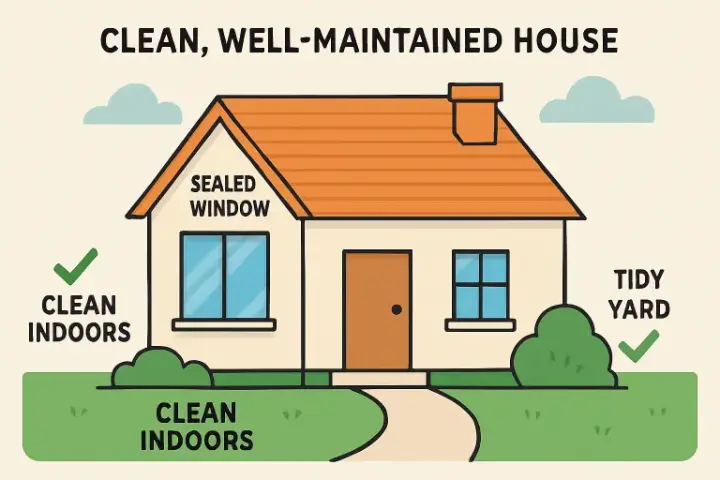
To prevent pest invasions in your home, conduct a thorough inspection of both the exterior and interior, looking for even the smallest cracks. Pests such as ants, mice, and spiders can enter through imperceptible gaps around windows, doors, pipes, and utility lines. Seal these vulnerabilities using high-quality caulk or weatherproof sealants. Additionally, weatherstripping around doors enhances energy efficiency while blocking pests. Pay attention to screens on windows and repair any broken vents, as each action helps restrict pest access. Important areas often overlooked include attics, basements, and crawl spaces, which are common entry points for pests. Sealing these hidden spots is crucial, especially during seasonal changes when pests seek shelter.
Maintain Cleanliness
Pests are drawn to food residues, crumbs, and clutter. Maintaining a tidy living space makes your home less attractive to invaders like cockroaches, ants, and rodents. Prioritize daily cleaning routines in kitchens and dining rooms, ensuring that you sweep and mop under appliances where crumbs tend to accumulate. Garbage cans should be emptied regularly and consistently lined with tightly fitting lids. Declutter storage areas such as garages and basements to eliminate hiding spots and breeding grounds for pests.
Manage Moisture
Many insects and rodents are drawn to environments rich in moisture. A vigilant approach to leaks and standing water is crucial for effective pest prevention. Repair leaking pipes or faucets promptly, check roof gutters for blockages, and use dehumidifiers in basements or other damp areas. Proper ventilation in bathrooms and kitchens also helps keep humidity levels low, discouraging pests like silverfish and termites, which thrive in moist conditions. Managing moisture can also help protect against mold, another health hazard linked to excess moisture.
Proper Food Storage
Rodents and insects are tenacious when searching for food. Storing pantry items in airtight containers prevents pests from accessing these food sources. Fruits and vegetables should not be left out to overripen, as this can quickly attract fruit flies. Make it a routine to check the pantry and refrigerator shelves for expired items, and remove them to minimize tempting food sources. Good storage practices not only prevent pests but also prolong the freshness of your food, leading to less waste and a tidier kitchen.
Yard Maintenance
Pest prevention should extend beyond your interior spaces. Trim back tree limbs and shrubs so they don’t make contact with your roof or walls, as these overhanging branches can serve as bridges for pests like squirrels and raccoons. Keep your lawn mowed and remove piles of leaves or organic debris where insects and rodents may shelter. Repair damaged fencing and maintain a clear perimeter around your home’s foundation to prevent nesting and burrowing. Stack firewood far from the house and keep outdoor garbage bins sealed tightly.
Natural Deterrents
Natural pest repellents are effective, safe, and environmentally friendly. For example, a simple bar of lightly fragranced soap strategically placed in your garden can help deter aphids, slugs, and similar pests. The scent discourages pests, while direct contact can lead to dehydration or suffocation. Planting aromatic herbs such as mint or basil near doorways also creates a natural barrier.
Regular Inspections
Early detection is crucial. Check high-risk and hidden areas, such as behind appliances, inside cabinets, and in dark corners, for evidence of pests—droppings, shed skin, nests, and gnaw marks. Conduct a walk-through of your property each season to look for signs of new vulnerabilities or developing infestations. Establishing a regular inspection schedule helps you identify pest issues early, allowing you to act quickly and prevent small problems from escalating into costly and time-consuming infestations.
Essential Pest Control Tips Every Homeowner Should Know