Resilient roofs for extreme weather areas are specially built roofing systems. They protect homes from storms, heavy rain, hail, and strong winds. These roofs use strong materials that don't break easily. They stay in place when weather gets rough.
Normal roofs often fail during hurricanes or bad storms. Resilient roofs for extreme weather areas are different. They handle extreme conditions without damage. Your home stays safe inside.
These roofs come in different styles. You can pick one that looks good on your house. Safety and beauty work together.
Why this matters: If you live in an area with dangerous weather, a strong roof saves money. It stops expensive damage. Insurance companies give discounts for these roofs.
Best Materials for Resilient Roofs for Extreme Weather Areas
Choosing the right material is the most important step. Different materials work better in different places.
Metal Roofing
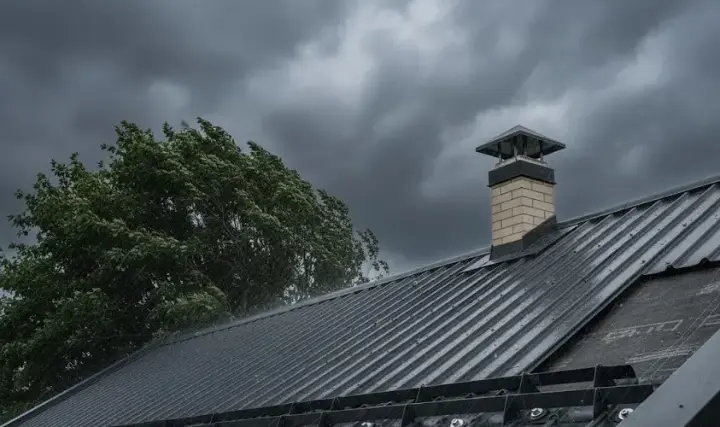
Metal roofs are very strong. They don't break from hail or wind. Metal panels last 50 to 70 years. They stay in place during storms with winds over 150 mph.
Metal roofs reflect sunlight. This keeps your home cooler in summer. You use less air conditioning and save money on energy bills. Installation takes skill, but the result lasts for decades.
Metal roofing benefits:
- Handles winds above 150 mph without damage
- Lasts 50-70 years with minimal repairs
- Reflects heat and reduces cooling costs
- Lightweight compared to other strong materials
- Works well in snow, rain, and hail
Impact-Resistant Asphalt Shingles
These shingles look like regular shingles. But they're made tougher. They resist hail damage and strong winds. They cost less than metal roofs.
Impact-resistant shingles have a Class 4 rating. This means they handle hail without denting or breaking. These shingles last 30 to 40 years. They're easier to install than metal roofs. Many homeowners choose these for cost reasons.
Asphalt shingle benefits:
- Class 4 impact rating protects against hail
- Lower cost than metal or tile options
- Familiar traditional appearance
- Easier installation than premium materials
- Works in cold, hot, and wet climates
Synthetic Slate and Composite Materials
Synthetic materials copy the look of real slate or wood shakes. They're lighter than real materials. They resist weather damage better than natural products.
These materials stay beautiful for 50+ years. They don't crack from temperature changes. Heavy rain doesn't cause leaks. They work especially well in places with ice storms or constant rain.
Synthetic material benefits:
- Beautiful appearance like natural stone
- Lighter weight reduces structural stress
- Resists impact from hail and debris
- Lasts 50+ years without fading
- Works in extreme temperature swings
How to Install Resilient Roofs for Extreme Weather Areas
Good installation determines if your roof actually protects your home. Wrong installation causes failure. Professional installers know the right way.
Building codes in storm areas have strict rules for installation. These rules exist because bad installation fails during storms. Installers must follow exact specifications.
Proper installation starts before putting on the new roof. The roof deck must be in good shape. Workers check for soft wood or damage. Any weak spots get fixed first. A solid foundation prevents problems later.
Fasteners go in exact spots. In high-wind zones, fasteners go every 6 inches. This stops wind from ripping off the roof. Underlayment goes under the top material. Good underlayment stops water that gets past shingles.
Ventilation prevents moisture buildup inside your attic. Moisture causes rot and mold. Proper vents let air flow. Ridge vents and soffit vents work together. This keeps your attic dry and cool.
Installation steps that matter:
- Check and repair the roof deck completely
- Install proper underlayment rated for storms
- Place fasteners exactly 6 inches apart in wind zones
- Use stainless steel fasteners that won't rust
- Install flashing around all openings correctly
- Maintain continuous ridge and soffit ventilation
- Schedule inspections at each installation stage
Caring for Resilient Roofs for Extreme Weather Areas
Maintenance keeps your roof performing well. Most people ignore their roofs until problems appear. Regular care prevents expensive damage.
Look at your roof twice a year. Check after spring and before winter. Look for loose shingles, cracks, or rust. Small problems are easy to fix. Big problems cost thousands of dollars.
After storms, check for damage within 48 hours. Hail leaves small dents that spread water into your home. Wind lifts shingles that let rain inside. Quick repairs prevent water damage to walls and ceilings.
Keep gutters clean. Leaves and debris block water flow. Water backs up under shingles. It leaks inside your home. Clean gutters take 30 minutes and save thousands in repairs.
Trim trees near your roof. Branches break off in wind. They land on your roof and cause damage. Trimmed trees mean fewer falling branches during storms.
Simple maintenance steps:
- Inspect the roof twice yearly for damage
- Check within 48 hours after storms
- Clean gutters and downspouts regularly
- Trim branches hanging over the roof
- Replace loose or damaged shingles quickly
- Clear moss and algae to prevent material breakdown
- Keep attic dry to prevent rot underneath
Cost of Resilient Roofs for Extreme Weather Areas
The price seems high at first. But over time, these roofs save money.
Metal roofing costs $8 to $15 per square foot. Impact-resistant shingles cost $5 to $12 per square foot. Composite materials cost $12 to $20 per square foot. These prices are higher than cheap roofs. But cheap roofs fail and need replacement quickly.
A standard roof lasts 20 to 30 years. A resilient roof lasts 50 to 70 years. You don't replace it as often. This saves money over decades.
Insurance companies reward strong roofs. Many give discounts of 15 to 35 percent for certified resilient roofing. That's $300 to $500 saved yearly. Over 20 years, that's thousands of dollars back in your pocket.
Energy-efficient roofs reflect heat. Your air conditioning doesn't work as hard. Summer bills drop by 10 to 25 percent. That adds up to real savings every month.
Many states offer tax credits for strong roofing materials. Some offer low-interest loans. These programs reduce your actual costs. Check what's available in your state.
Real financial benefits:
- Insurance discounts of 15-35% annually
- Lifespan of 50-70 years reduces replacement costs
- Energy savings of 10-25% on cooling bills
- Federal and state tax incentives reduce upfront cost
- No emergency repair costs from storm damage
- Lower maintenance expenses than standard roofs
- Higher resale value when selling
Building Rules and Standards
Your area has building codes for roofs. These codes set minimum standards. They exist because people learned from past damage.
Hurricane-prone areas have the strictest codes. Florida requires roofs to handle extreme wind speeds. Coastal states follow similar rules. These building codes protect your investment and your family.
Products must pass tests to get approved. Testing agencies include UL, FM Global, and ASTM. These groups test roofs in laboratories. They see how materials handle wind, impact, and water.
Certifications mean the product works as promised. Third-party testing builds trust. You know the roof won't fail during a storm. Insurance companies only give discounts for certified products.
Your local building inspector checks the work. They verify installation follows codes. Good inspection means your roof is built right.
Important standards and certifications:
- Class 4 impact rating for hail resistance
- Wind ratings of 150+ mph for storm areas
- FM Approved certification for insurance discounts
- UL certification for wind and fire resistance
- Local building code compliance required
- Third-party testing verification of materials
- Professional installation by certified contractors
Why Your Area Needs Resilient Roofs for Extreme Weather Areas
Extreme weather happens more often now. Climate patterns change. Storms get stronger. Your roof takes the biggest hit during bad weather.
Resilient roofs for extreme weather areas protect your family and belongings. Water damage ruins everything inside your home. Mold grows quickly after leaks. Health problems develop from mold exposure. A strong roof prevents these problems.
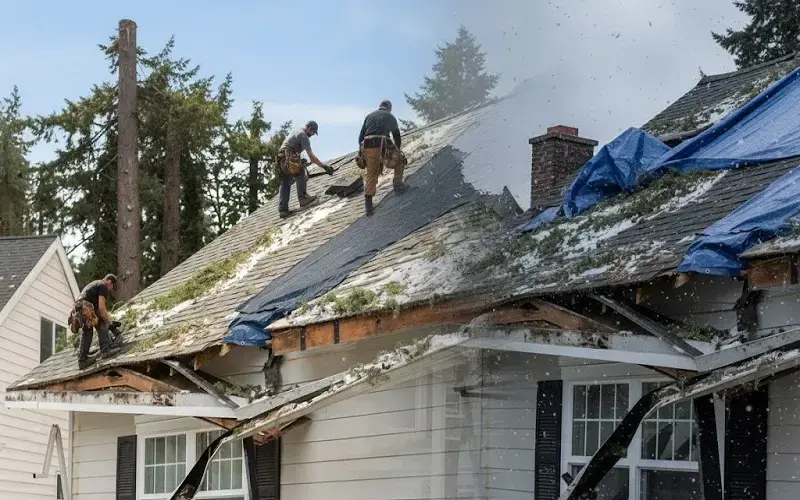
Imagine a hurricane with 150 mph winds. A weak roof tears off. Rain floods your home. Mold appears within 24 hours. Walls rot. Furniture is destroyed. Repair costs reach $50,000 or more. Insurance might not cover everything.
With a resilient roof, you stay dry and safe. No water enters. No mold grows. Your home and family are protected. Your belongings stay safe.
If you sell your home later, buyers pay more for strong protection. Homes with certified resilient roofs sell faster. You get better resale value. This payback happens when you need it most.
Protection you actually need:
- Keeps water out during heavy rain and storms
- Prevents mold growth and health problems
- Protects belongings from water damage
- Keeps family safe during severe weather
- Reduces insurance costs immediately
- Increases home value for resale
- Gives peace of mind during storms
Finding the Right Professional for Installation
Installation quality determines if your roof actually works. You need experienced professionals. Not all contractors understand extreme weather roofing.
Ask contractors about their certifications. Look for manufacturers' training certificates. Ask how many resilient roofs they've installed. Ask for references from past customers. Call those customers and ask real questions.
Check insurance and licensing carefully. Valid contractors carry general liability insurance. They carry workers' compensation insurance. Verify these before hiring. If someone gets hurt and there's no insurance, you pay.
Get detailed quotes in writing. Know exactly what's included. Know what materials they're using. Know the timeline. Get multiple quotes and compare fairly. Lowest price usually means poor quality.
Visit a home they recently finished. Look at the work quality. Check if vents are straight. Check if fasteners are properly spaced. Ask the homeowner about the contractor's professionalism.
For quality roofing materials and professional consultation, you can also check resources like TechnovasPrint that offer various industrial solutions related to construction and building materials.
What to check before hiring:
- Manufacturer certifications and training credentials
- At least 5+ years of resilient roofing experience
- Valid business license and insurance verification
- Written quotes with detailed material specifications
- References from at least three recent projects
- Timeline and warranty information in writing
- Clear communication about building code compliance
Preparing Your Home for a New Resilient Roof
Planning makes installation smooth. Preparation prevents delays and problems.
Start by getting building permits. Your local inspector requires this. It ensures work meets code requirements. Permits cost $50 to $300 depending on location. This cost is worth the protection.
Check your insurance coverage. Talk to your insurance agent. Ask about discounts for new resilient roofing. Ask about coverage before work starts. Some policies change after major work.
Prepare your property. Clear the area around your home. Move patio furniture and grills. Ask neighbors not to park near your driveway. Workers need safe space to park and move materials.
Plan for noise. Roofing is loud. It typically takes 3 to 5 days. Tell family and neighbors about the dates. Keep animals inside where it's quiet.
Get a detailed contract. It should describe all materials. It should state the timeline and total cost. It should include warranty information. Both you and the contractor sign. Keep a copy.
Preparation steps:
- Obtain required building permits before work starts
- Review insurance policies and eligibility for discounts
- Clear property around the home for worker safety
- Plan for noise and schedule around family needs
- Get everything in a signed written contract
- Know the exact timeline before work begins
- Arrange for proper payment schedule
The Bottom Line
Resilient roofs for extreme weather areas protect what matters most. Your home is likely your biggest investment. Your family's safety depends on a strong roof. Extreme weather is real. Strong roofs handle it.
The choice is clear. Standard roofs fail in storms. Resilient roofs for extreme weather areas keep standing. Insurance gives discounts. Energy bills drop. The roof lasts decades. Your family stays safe and dry.
Start by calling qualified contractors today. Get quotes for your specific home. Understand your building codes. Choose materials that work in your area. Schedule installation before storm season. Once it's done, you have real peace of mind. Your roof handles whatever weather comes.
Resilient Roofs for decoratoradvice extreme weather areas